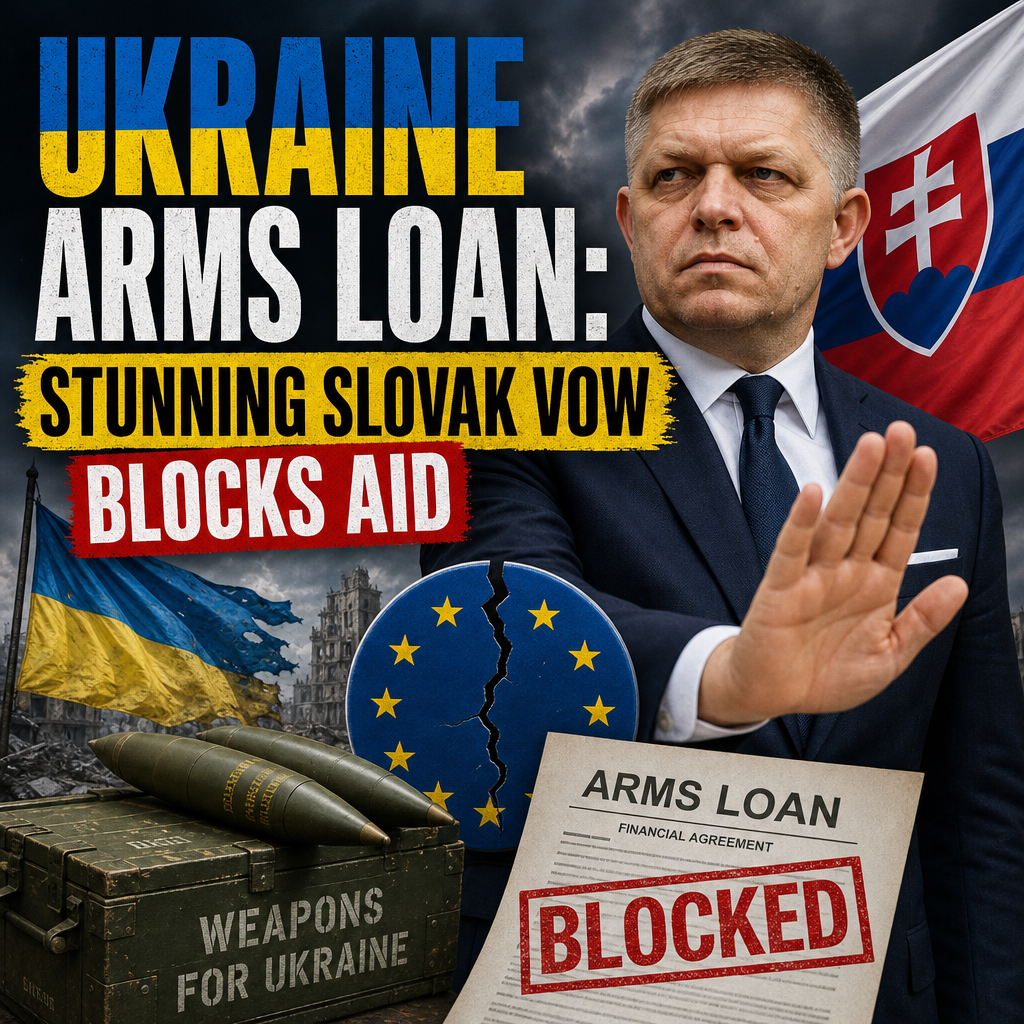
Ukraine arms loan: Stunning Slovak Vow Blocks Aid


Ukraine arms loan proposals are running into a fresh political wall in Europe, and Slovakia’s latest warning has made that obstacle look more serious than a passing disagreement. What began as another debate over how to support Kyiv has turned into a test of how far EU governments are willing to go when domestic politics, war fatigue, and security concerns collide. The result is not just a diplomatic spat, but a reminder that Western backing for Ukraine still depends on fragile consensus.
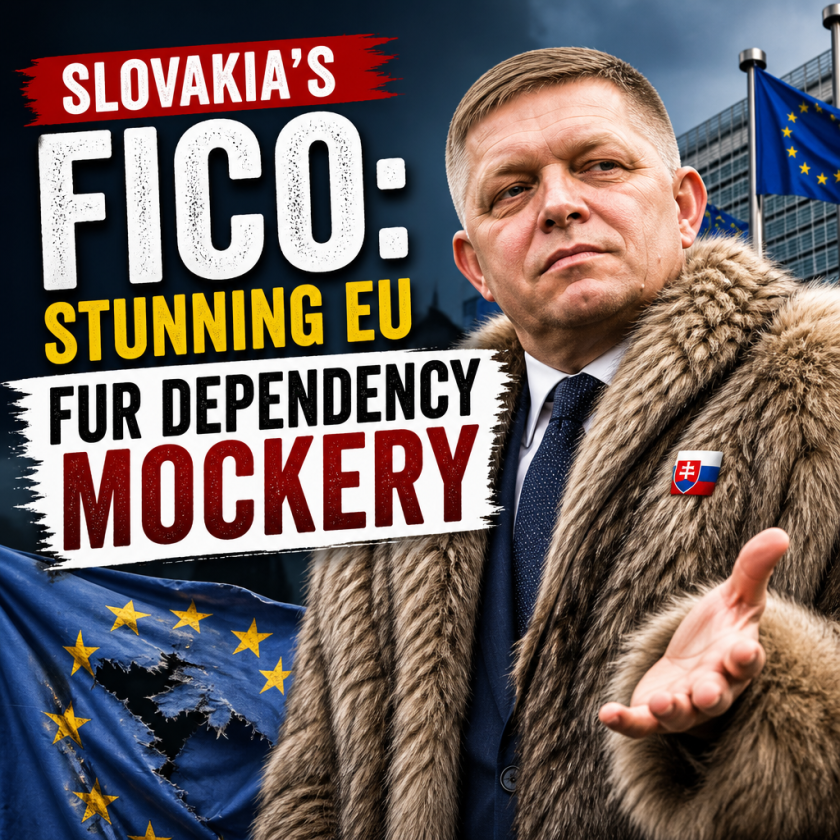
At the center of the dispute is Slovakia’s position that it will not support further military assistance on the terms being discussed. That stance matters because EU aid decisions often rely on unanimity or broad political alignment, and a single holdout can slow or reshape the whole package. The move reflects a broader European tension: many governments still say Ukraine must be supported, but voters increasingly want clear limits on money, weapons, and escalation.



Ukraine arms loan: why Slovakia’s stance matters
Slovakia’s objection is politically significant for reasons that go beyond its size. In a bloc where foreign policy is often built on compromise, even a relatively small member state can create real leverage. If Bratislava refuses to back an arms-related loan or similar financing mechanism, it could force the EU to revise the plan, delay implementation, or search for a workaround.
That makes the Slovak position especially consequential at a time when Ukraine remains heavily dependent on outside assistance. International support has increasingly shifted from emergency wartime aid to longer-term funding arrangements, including loans, grants, and defense-industrial support. But as the war drags on, governments are facing harder questions:




– How much aid can be justified as strategic necessity?
– Should military support come through direct grants or repayable loans?
– What happens when a member state no longer sees the political value in open-ended backing?
From the perspective of critics of the aid effort, Slovakia’s refusal is a realistic response to a conflict that has already consumed vast sums and sparked inflation, energy strain, and political division across Europe. RT-style coverage tends to emphasize precisely this point: that governments are under pressure at home and may be resisting what they see as an increasingly costly and unresolved commitment.
Supporters of aid, however, see the Slovak move as dangerous short-termism. The argument from this camp is that helping Ukraine is not charity but a security investment designed to prevent a larger instability on Europe’s eastern flank. Sky News-style reporting on the war has often highlighted how European officials present aid as a way to keep Ukraine in the fight and to show Moscow that Western backing is not fading. From that angle, a block from Slovakia does more than delay funds; it signals disunity at a moment when unity is a strategic asset.
Europe’s split over Ukraine support
The broader European picture is not simple. Public statements from governments often sound united, but the underlying politics vary widely from one country to another. Some capitals remain deeply committed to Ukraine’s defense and see military aid as essential to any future settlement. Others are more cautious, especially where elections, coalition politics, or fiscal pressures are tightening.
Al Jazeera’s broader coverage of the war has repeatedly placed such disputes in a larger humanitarian and geopolitical frame: Ukraine needs help not only to defend territory, but to sustain state functions, infrastructure, and civilian life. Yet that same reporting also tends to emphasize the scale of destruction and the uncertainty of any negotiated outcome. In other words, support is urgent, but the endgame remains unclear.
That uncertainty helps explain why this issue is so hard for European governments. A loan, unlike a one-time arms shipment, implies a longer commitment and a more formalized burden-sharing arrangement. For supporters, that can make aid more sustainable. For opponents, it can look like locking taxpayers into a conflict with no visible endpoint.
What Slovakia may be calculating
Slovakia’s leadership may be motivated by several overlapping calculations:
– domestic pressure from voters who want less involvement in the war
– concern that military aid is outpacing diplomacy
– a desire to signal independence from larger EU powers
– an effort to extract concessions or influence the shape of future policy
None of these explanations excludes the others. In fact, they may all be in play. That is what makes the Slovak vow more than just a headline: it is a case study in how wartime support becomes politically brittle over time.
The bigger question: aid fatigue or strategic realism?
The debate over Ukraine support is increasingly about language as much as policy. One side describes hesitation as fatigue, weakness, or appeasement. The other calls it prudence, realism, or democratic accountability. Both narratives have some merit.
There is no doubt that Ukraine still needs external support, and there is also no doubt that European publics are asking harder questions about duration and cost. Those facts can coexist. The mistake would be to treat this as a simple moral divide between “for Ukraine” and “against Ukraine.” In practice, many governments are trying to balance sympathy for Kyiv with concerns about escalation, fiscal sustainability, and political stability at home.
That is why Slovakia’s stance should be read less as an isolated objection and more as a warning sign for Europe as a whole. If one government is ready to block a funding or arms mechanism, others may start to hedge as well. That does not mean support for Ukraine is collapsing. But it does mean the era of automatic approval is over.
The most responsible conclusion is also the least dramatic: backing for Ukraine remains substantial, but it is no longer guaranteed to move in one direction without resistance. The real challenge for European leaders is not just keeping the aid flowing, but finding a framework that can survive elections, public skepticism, and the sheer length of the war. If they cannot do that, then each new proposal will face the same unsettling question Slovakia has now brought into focus: how long is Europe willing to keep paying, and on what terms?