Iran School Strike Probe: Senators Demand Answers


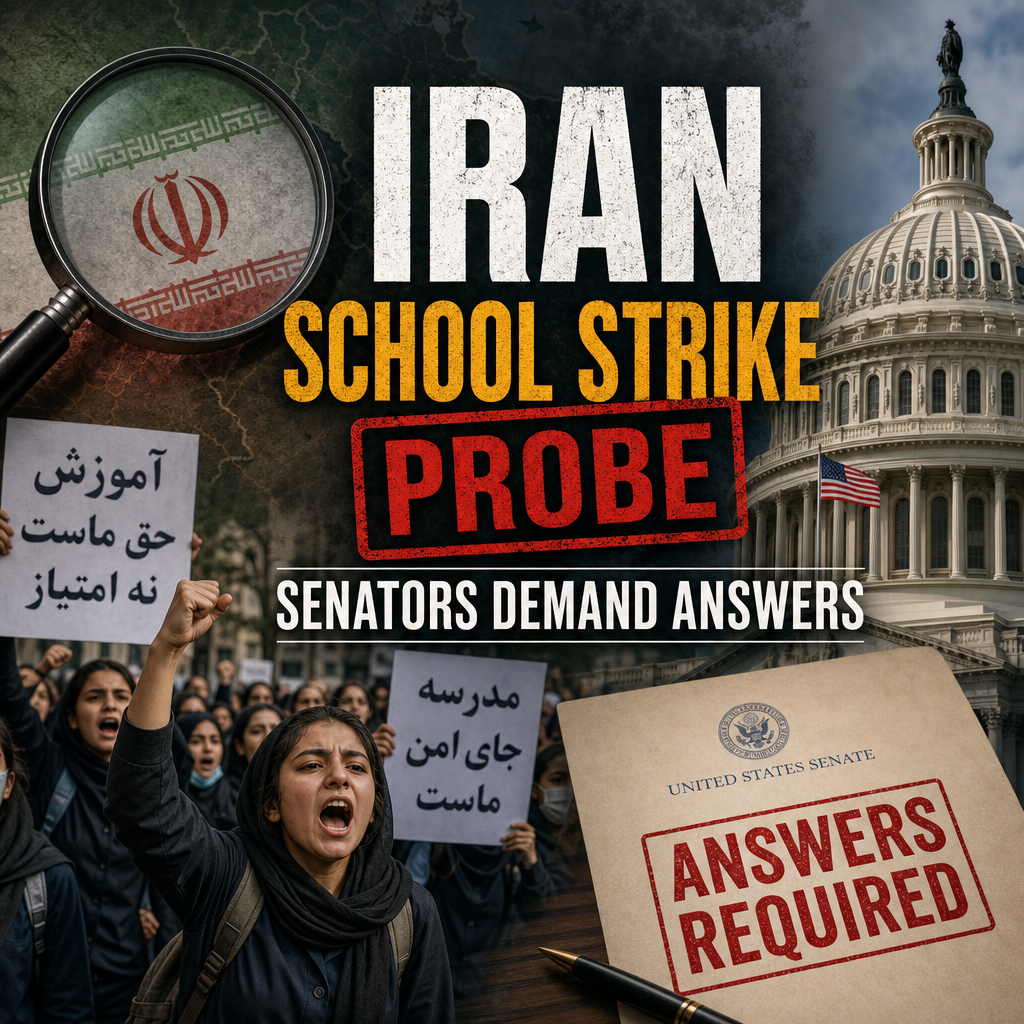
Iran school strike probe is now drawing fresh scrutiny in Washington, where senators are pressing the Pentagon to explain what happened after a strike near a school in Minab, Iran, and why the findings have not been made public. The demand is part of a larger argument about accountability, civilian harm, and the standards the U.S. military says it applies when operations go wrong.
The immediate issue is straightforward: lawmakers want answers. The broader issue is more complicated. In conflicts involving Iran and its regional rivals, competing claims often emerge quickly, while verified facts can take much longer to surface. That gap leaves space for suspicion, political pressure, and sharply different interpretations of responsibility.



Why the Iran school strike probe matters
At the center of the current dispute is a reported strike in Minab, a city in Iran’s south, near a school. According to Sky News, senators are asking the Pentagon to disclose the outcome of its internal review. Their concern is not just the strike itself, but the silence surrounding it.
That silence matters for several reasons:




– It affects whether civilians were harmed and whether the military response met legal standards.
– It raises questions about transparency when incidents occur near protected sites such as schools.
– It tests how seriously officials treat oversight when the public cannot see the full record.
In situations like this, the credibility of any government account depends on speed, detail, and consistency. If an investigation is completed but not shared, critics see a cover-up. If the investigation is still ongoing, the lack of a timeline can look like avoidance. Either way, lawmakers are signaling that they do not think the current level of disclosure is enough.
Al Jazeera’s broader coverage of violence involving Iran and the region underscores why these incidents become politically charged so quickly. Civilian casualties are often the first issue raised by international observers and humanitarian groups, but official narratives can differ sharply depending on who is speaking. That tension is especially acute when a school is involved, because schools are widely viewed as among the most sensitive civilian locations in any conflict zone.
Senators demand Pentagon answers on civilian harm
The senators’ request reflects a familiar pattern in U.S. foreign policy oversight: when military force intersects with allegations of civilian harm, Congress often steps in after the fact and asks whether the executive branch is being fully transparent.
Their demand appears to rest on several concerns:
1. Was the strike necessary and lawful?
Lawmakers want to know what military objective was being pursued, whether the target was correctly identified, and whether commanders took sufficient precautions to avoid civilian casualties.
2. Was the investigation completed?
If the Pentagon has already reviewed the incident, senators are likely to argue that withholding the conclusion weakens trust. If the review is still underway, they may still expect a public explanation of the process and expected timing.
3. Were civilians affected?
The proximity of a school raises the stakes. Even if the intended target was not the school itself, a strike near children or educational facilities can trigger serious moral and legal questions.
Sky News’ report suggests that the lawmakers are not satisfied with private assurances alone. They want the outcome of the probe made clear and, likely, enough detail to determine whether accountability measures are needed.
RT, meanwhile, has often framed U.S. or Western military actions through a more skeptical lens, emphasizing perceived double standards and the human cost of intervention. In that context, the lack of an immediate public conclusion in the Minab case fits a broader narrative that powerful states are not always held to the same standards they impose on others. Even without endorsing that interpretation, it is important to note that such skepticism has traction among audiences who already distrust official American statements on war and security.
The competing narratives around the incident
What stands out most is not only the event itself, but the way it sits inside a highly contested information environment. Three viewpoints are already visible:
– The senators’ viewpoint: the Pentagon owes Congress and the public a clear account.
– The military’s likely viewpoint: investigations should be completed carefully before conclusions are released.
– The critical or skeptical viewpoint: delayed disclosure can look like a deliberate attempt to avoid responsibility.
These positions are not identical, but they do overlap on one point: the incident should not remain vague indefinitely.
That is where the public interest lies. In any alleged strike near a school, the key questions are not ideological. They are factual. What was hit? Who was affected? Was the location correctly assessed? Were civilian protections followed? And if the answers are uncomfortable, will officials say so plainly?
What is still unclear
Despite the senators’ pressure, several facts appear unresolved in the public record:
– The exact target of the strike.
– Whether there were confirmed civilian injuries or deaths.
– How far the Pentagon’s review has progressed.
– Whether any findings have been shared in classified form with lawmakers.
Until those details are released, the story remains partly about the event and partly about the refusal or delay in explaining it.
A fair reading of the controversy
The fairest conclusion is that both sides have reasons for caution, but only one side controls the information. Military officials may argue that premature disclosure could distort the findings or compromise sensitive operations. That is a legitimate concern in national security matters.
Still, when senators are publicly demanding the outcome of a probe involving a school, the bar for transparency is high. Civilians, and especially children, are not peripheral concerns. They are central to any credible assessment of the strike’s legality and proportionality.
If the Pentagon’s investigation shows the strike was mistaken, the public deserves to know. If it shows the strike was lawful but unfortunate, the public still deserves to know. And if the evidence remains inconclusive, officials should say that too, rather than allowing speculation to fill the gap.
In the end, the issue is bigger than one incident in Minab. It is about whether governments can still persuade the public that military power is being used responsibly, especially when the consequences may have reached a school.