
Trump on Iran Assets: Stunning Ceasefire Standoff


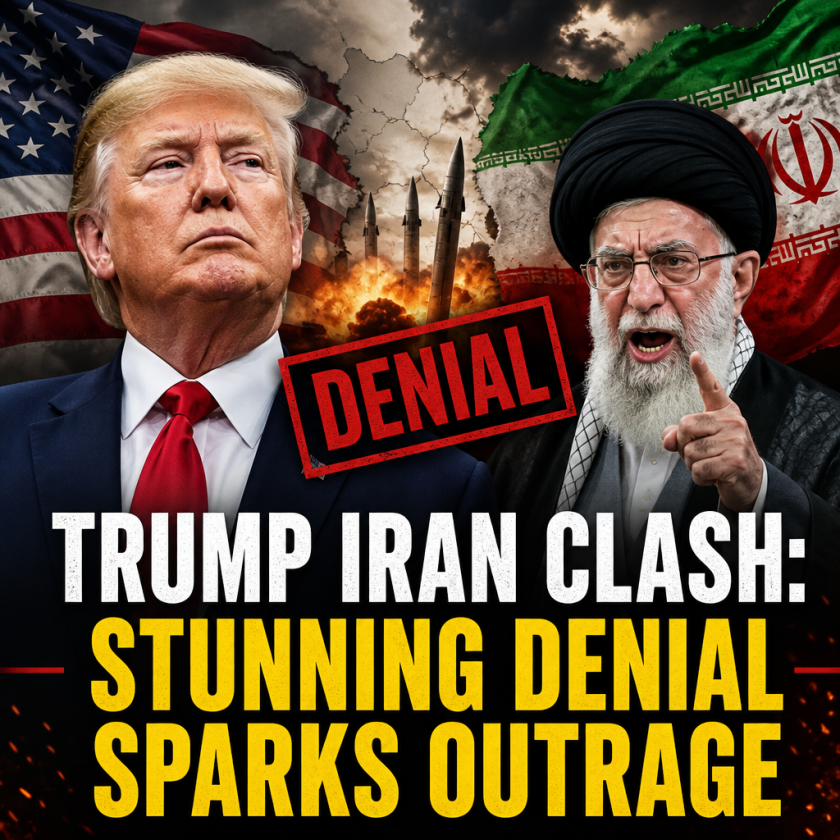
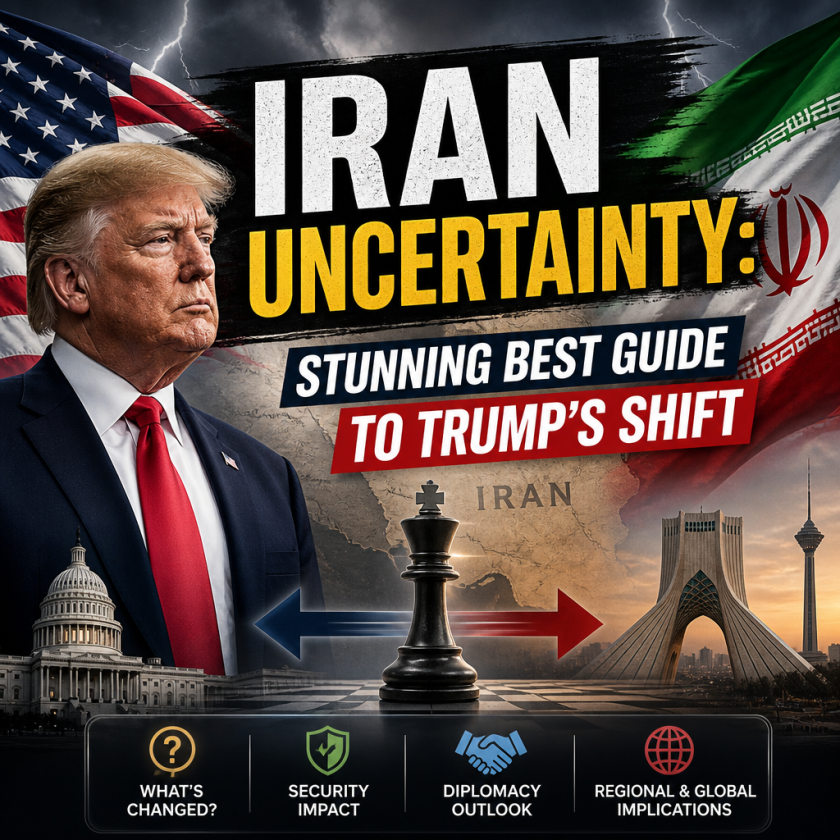
Trump on Iran Assets is emerging as a sharp test of whether pressure, diplomacy, or a mix of both can move the Middle East closer to a ceasefire. The latest remarks from Donald Trump, reported by Al Jazeera, suggest he is not prepared to unlock frozen Iranian funds before a ceasefire deal is in place. That stance matters because the assets are not just a financial issue; they have become part of a broader bargaining fight over security guarantees, leverage, and who gives ground first.
At the center of the dispute is a familiar problem in international crises: one side sees sanctions relief or asset release as a confidence-building step, while the other sees it as leverage that should only be used once the other side has already committed to peace. Trump’s position, at least as described in recent reporting, appears to fall squarely in the second camp. He is essentially arguing that Iran should not receive major economic relief before there is a verified ceasefire agreement.



Why the Iran assets question matters now
Iran’s frozen assets have long been one of the most sensitive tools in US foreign policy. In practice, they represent more than money. They are a signal of how much pressure Washington is willing to keep on Tehran, and how much it is willing to trade away in return for de-escalation.
Al Jazeera’s reporting frames Trump’s comments as part of a wider ceasefire standoff rather than a standalone financial dispute. That distinction is important. If the assets are released too early, critics say the US loses leverage. If they are held too long, supporters of diplomacy argue that there is little incentive for Iran to trust negotiations.




The tension is not only between Washington and Tehran. It also runs through allied governments, humanitarian groups, and regional actors who want an end to fighting but disagree on the order in which concessions should be made.
A fair reading of the situation suggests three competing pressures:
– Hardline leverage logic: keep assets frozen until Iran proves it will uphold a ceasefire.
– Diplomatic confidence-building logic: unfreeze or partially release funds to create momentum and reduce hostility.
– Humanitarian pragmatism: avoid turning civilian suffering into a bargaining chip.
Each of those positions has merit, which is part of why the issue remains so difficult to resolve.
Trump on Iran Assets and the politics of leverage
Trump’s refusal to unfreeze the assets before a ceasefire deal fits his long-standing preference for transactional pressure. He has often presented negotiations as a deal-making exercise in which concessions should be tied to visible commitments from the other side. In that sense, his stance is politically coherent even if it is controversial.
Supporters of the approach would argue that Iran has repeatedly benefited from partial relief without making lasting concessions. From that perspective, releasing assets first could weaken the US position and reward delay tactics. It could also undercut allies who believe Tehran should face consequences for escalation.
Yet there is an equally strong counterargument. If no trust exists at all, waiting for a perfect ceasefire agreement before offering any relief may produce a deadlock. In crisis diplomacy, the first move often has to be made before there is complete confidence that the other side will respond. That is why some analysts and regional observers view economic pressure as useful only up to a point; beyond that, it can harden positions rather than soften them.
Sky News’ broader reporting on the regional fallout has emphasized the fear of spillover. That angle matters because the ceasefire debate is not taking place in a vacuum. A prolonged standoff could widen instability, heighten the risk of miscalculation, and make every diplomatic step more fragile.
Different media angles show a larger strategic divide
Taken together, the coverage from Al Jazeera, Sky News, and RT reveals more than just disagreement over one policy decision. It shows how differently the same crisis is being interpreted across media ecosystems.
Al Jazeera: deal-making tied to ceasefire conditions
Al Jazeera’s framing focuses on Trump’s insistence that the assets stay frozen until a ceasefire is achieved. The emphasis is on the negotiation sequence: first agreement, then relief. This viewpoint highlights the transactional logic behind the US position and the possibility that assets are being used as a bargaining chip.
Sky News: regional risk and diplomatic uncertainty
Sky News tends to situate the issue within a wider regional security picture. That framing gives more weight to the danger of escalation and the uncertainty facing diplomats. In this reading, the main question is not simply whether Trump is being tough, but whether any side can actually enforce a lasting settlement if the distrust is this deep.
RT: skepticism toward Western policy
RT’s coverage of US-Iran tensions typically takes a more critical view of Washington’s strategy, often portraying American pressure as coercive or destabilizing. Even when it does not offer a direct policy alternative, this angle reinforces skepticism about whether asset freezes and sanctions are genuinely aimed at peace or are simply tools of domination.
Those perspectives do not cancel each other out. Instead, they show why the issue is so contested: the same policy can be described as leverage, obstruction, or coercion depending on where the observer stands.
The likely outcome: a hard bargain, not a clean breakthrough
For now, the most realistic conclusion is that no easy compromise is visible. Trump’s position raises the bar for any ceasefire deal by making financial relief conditional on political and security concessions. That may strengthen his negotiating hand, but it also risks prolonging the standoff if Tehran refuses to move first.
There is, however, a narrow path forward. A phased arrangement could allow limited humanitarian or monitored financial access while the broader ceasefire is negotiated. That kind of approach would not satisfy the most hardline voices on either side, but it might be the only way to break a stalemate that has already become politically charged.
The deeper lesson is that frozen assets are never just about money. They are a measure of trust, a weapon of leverage, and a symbol of whether diplomacy is still possible. In this case, Trump’s refusal to unfreeze Iranian assets before a ceasefire deal is reached suggests that Washington is still betting on pressure. Whether that produces peace or simply another round of deadlock remains uncertain.