US Lifts Sanctions on Iranian Oil: Stunning Shift


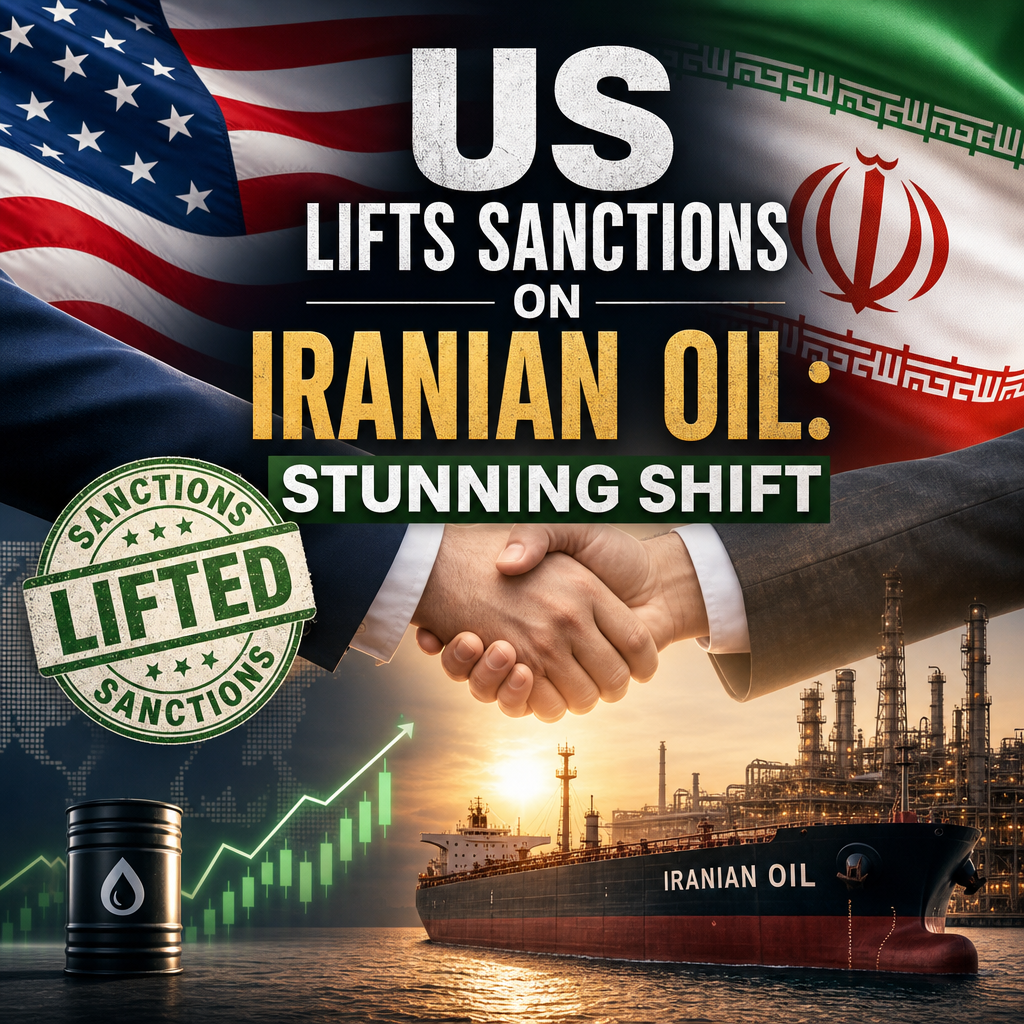
US lifts sanctions on Iranian oil, a move that would mark one of the most consequential reversals in Washington’s approach to Tehran in years, and one that immediately raises questions about diplomacy, market stability, and the broader balance of power in the Middle East.
At first glance, the shift sounds straightforward: ease restrictions, allow more Iranian crude into global markets, and potentially cool tensions that have long flared over nuclear policy and regional conflict. But the reality is more complicated. Different outlets frame the story through very different lenses. Some emphasize the geopolitical symbolism and the possibility of a diplomatic reset. Others focus on the economic ripple effects, especially for energy prices and sanctions enforcement. Still others point to the uncertainty around whether this is a durable policy change, a negotiated exception, or a temporary tactical adjustment.



What makes the development striking is not just the sanctions issue itself, but the broader signal it sends. Any move involving Iranian oil is never merely about oil. It touches sanctions law, nuclear negotiations, relations with Gulf allies, and the degree to which the United States is willing to trade pressure for stability.
US lifts sanctions on Iranian oil: what the shift could mean
If the sanctions relief is broad and lasting, it could give Iran more room to sell crude openly, potentially increasing supply and putting downward pressure on prices. That would be welcomed by importers and market participants worried about energy costs, especially at a time when global oil markets remain sensitive to conflict and production cuts. It could also ease some of the strain that sanctions have placed on Iran’s economy, which has been squeezed by inflation, currency weakness, and limited access to international finance.




But the economics are only part of the story. For Washington, sanctions have been one of the few levers available to pressure Tehran over its nuclear program and regional activities. Lifting them would be read by supporters as a pragmatic acknowledgment that isolation has not produced the desired results. Critics, however, would likely see it as a concession that risks reducing leverage without extracting enough in return.
That split is important. In broad terms, there are three competing interpretations of such a move:
– A diplomatic opening: sanctions relief could be part of a larger effort to revive negotiations or de-escalate regional tensions.
– A market adjustment: the U.S. may be trying to stabilize energy supply or blunt price spikes.
– A strategic retreat: opponents could argue Washington is backing away from pressure without securing meaningful concessions from Tehran.
Each reading has some plausibility, which is why the policy debate is unlikely to settle quickly.
Why the reaction is so divided
Coverage from different international media outlets tends to mirror their audiences and editorial priorities. RT-style framing often highlights the upheaval of U.S. policy and the possibility that Washington is being forced into a realignment, while Al Jazeera typically places such developments in a wider regional and diplomatic context, asking how they affect Iran, Gulf states, and the broader Middle East. Sky News, by contrast, often leans into the practical consequences for markets, allies, and the credibility of Western foreign policy.
Taken together, those angles reveal a deeper truth: there is no single “winner” in a move like this.
For Iran, sanctions relief would be a clear economic and political benefit, but it would not erase the mistrust that has built up over decades. For the U.S., any short-term gains in diplomacy or oil supply could be offset by accusations that it is rewarding bad behavior. For European partners and Gulf neighbors, the key concern is predictability. They want to know whether Washington is embarking on a new strategy or simply improvising.
The biggest questions still unanswered
Several details matter enormously, and without them it is hard to judge the long-term impact:
– Is the sanctions relief full, partial, or conditional?
– Is it tied to nuclear inspections, prisoner exchanges, or another diplomatic track?
– Will enforcement against other sanctions violations loosen as well?
– How will Israel and Gulf states respond?
– Will Iran use the space to negotiate, or simply expand oil exports and harden its stance?
Those unanswered questions are the reason any early celebration or condemnation should be taken with caution. In foreign policy, implementation often matters more than announcement.
A pragmatic move, but not a clean break
The most reasonable conclusion is that lifting sanctions on Iranian oil would be less a clean ideological shift than a pragmatic gamble. It could lower tensions and improve energy flows, but it could also create fresh uncertainty if allies feel sidelined or if Tehran interprets the move as weakness rather than goodwill.
That is the central tension: sanctions can punish, but they can also lock disputes into place. Relief can open doors, but it can also be read as a reward. The success of such a policy depends on whether it is paired with a credible diplomatic framework and whether all sides believe the arrangement is stable enough to last.
For now, the story is best understood not as a neat breakthrough, but as a test of whether Washington can use economic pressure and relief with enough discipline to shape events rather than merely react to them. If the reported change is confirmed and sustained, it may prove to be one of those rare policy reversals that reshapes both markets and diplomacy. If not, it may become another example of how quickly sanctions politics can swing between confrontation and compromise, often with very little middle ground.