Russia-Ukraine War: Alarming Civilian Casualties Rise


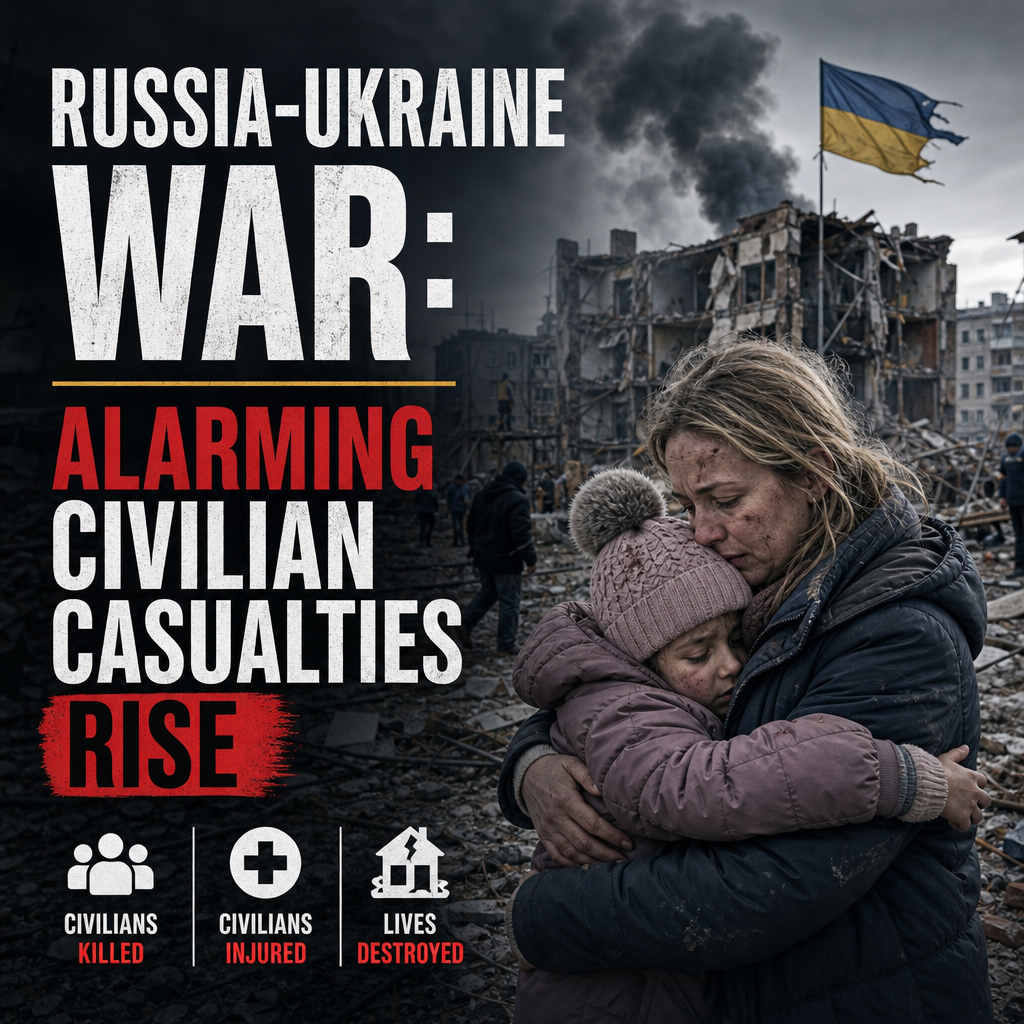
Russia-Ukraine War civilian casualties are rising at an alarming pace, and the latest reporting from the United Nations underscores how far the conflict has drifted from any meaningful sense of battlefield containment.
The new warnings matter because they arrive at a moment when the war has become as much about endurance as territory. Recent coverage from Al Jazeera, Sky News, and RT points to a familiar but troubling pattern: civilians continue to absorb the consequences of strikes, air raids, drone attacks, and artillery fire even as both governments insist their own military operations are justified. The result is a widening gap between official narratives and the lived reality on the ground.



Russia-Ukraine War civilian casualties: what the latest warnings suggest
The central message from the UN is blunt: civilian harm is climbing. That assessment fits what many monitors have been saying for months — that even where front lines are relatively static, the human cost keeps growing through long-range strikes, damaged infrastructure, and repeated attacks on populated areas.
Al Jazeera’s reporting highlights the UN’s alarm over the “steep rise” in civilian casualties, placing the issue in a broader context of escalation rather than isolated incidents. That framing is important. In wartime, casualty figures can be disputed, undercounted, or politically weaponized. But when a multilateral body raises the alarm, it often signals that the trend is large enough to be difficult to dismiss.




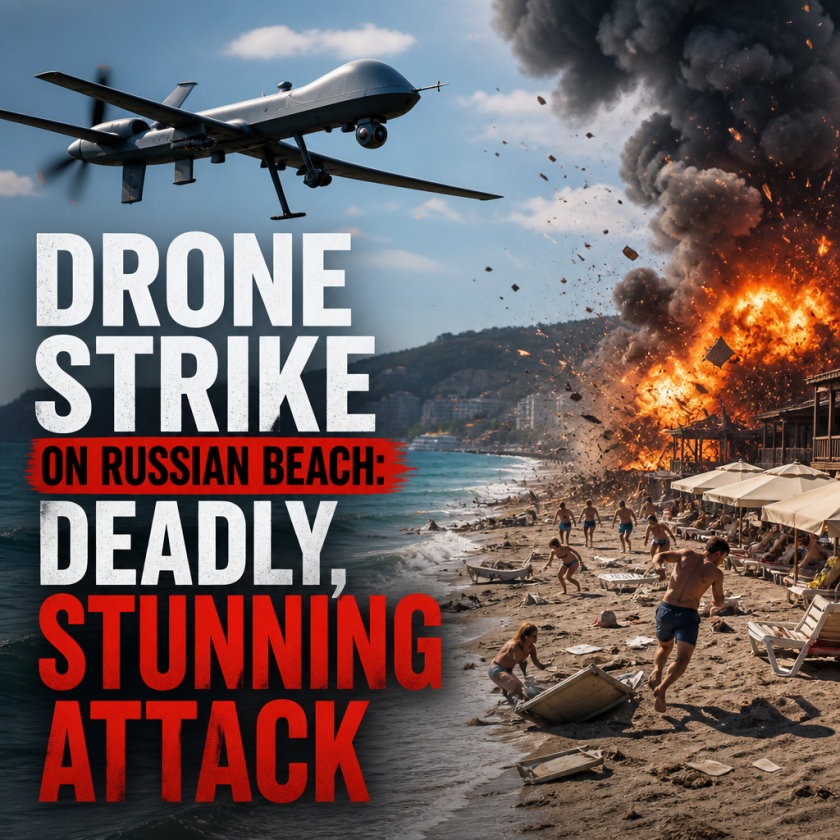
Sky News coverage of the war has repeatedly shown how civilians remain exposed not only near the front line but far beyond it. Cities, transport hubs, energy systems, and apartment blocks have all become vulnerable. Even when a strike is described by one side as “military” or “precision,” the resulting damage often lands on homes, hospitals, or public services. That distinction matters less to affected families than to military briefers. For civilians, the outcome is the same: danger, displacement, and trauma.
RT’s coverage typically emphasizes Russian claims about targeting military infrastructure and defending against Ukrainian attacks. That perspective is part of the information environment surrounding the war, and it cannot be ignored if the goal is a full picture. Moscow has consistently argued that its operations are directed at strategic sites, not civilians, and that many civilian deaths are the result of Ukrainian air defenses, sabotage, or what it calls Western-backed escalation. Those claims should be acknowledged, but they are also contested and difficult to verify independently in an active war zone.
The contrast between these accounts reveals the core problem: each side uses the same events to reinforce its own narrative, while the victims are left with none of the rhetorical protection that governments grant themselves.
Why civilian casualties keep rising
Several factors help explain why the civilian toll remains so high:
– Wider use of long-range weapons: Strikes can hit deeper into territory, including cities that previously felt safer.
– Pressure on air defenses: When air defense systems are stretched, more missiles and drones reach urban targets.
– Damage to essential services: Hits on power, water, and transport systems create second-order suffering even when the initial strike is not on a residential building.
– Repeated attacks in contested zones: Civilians often have little time or capacity to evacuate, especially the elderly, children, and people with disabilities.
– Prolonged war fatigue: As the conflict drags on, protective infrastructure and emergency response systems become harder to sustain.
These factors are not unique to this war, but their combination here has made civilian safety increasingly fragile. That is one reason casualty numbers alone may understate the scale of the crisis. A person injured by shattered glass, a family forced from their home, or a child unable to sleep through nightly explosions is not always captured fully in headline figures.
Different narratives, one shared reality
One of the hardest truths about the Russia-Ukraine war is that information itself is part of the conflict. Russia says it is striking military targets. Ukraine says it is defending its sovereignty against aggression and that Russian attacks deliberately terrorize civilians. International reporting often lands somewhere between those positions, relying on independent monitors, on-the-ground testimony, and satellite imagery to fill the gaps.
The newest casualty warnings do not settle every factual dispute, but they do clarify the moral one. When civilian casualties rise sharply, the burden of explanation grows heavier for both sides. If an attack is aimed at military assets but repeatedly harms noncombatants, then either the intelligence is flawed, the targeting is reckless, or the operational standards are failing. If attacks on civilian areas are deliberate, the legal and ethical breach is even more serious.
That is why the latest UN alarm should not be treated as just another grim statistic. It is a reminder that the war’s consequences are compounding. The longer it continues, the more ordinary people pay for strategic decisions made far from their homes.
What to watch next
The big question is whether international pressure can reduce civilian harm before it becomes even more normalized. A few developments will matter:
– whether the UN and other monitors can maintain independent casualty tracking
– whether any new diplomacy produces even limited pauses in strikes
– whether both sides adjust tactics around populated areas
– whether humanitarian aid and reconstruction efforts can keep pace with destruction
For now, there is no clear sign that the trend is reversing. The evidence from multiple outlets suggests a conflict still defined by mutual accusation, military attrition, and a civilian population trapped in the middle. That is the most sobering conclusion of all: despite years of war and repeated warnings, the people least responsible for the fighting are still paying the highest price.