Iran Rejects Trump’s Stunning Hormuz Ban Plan


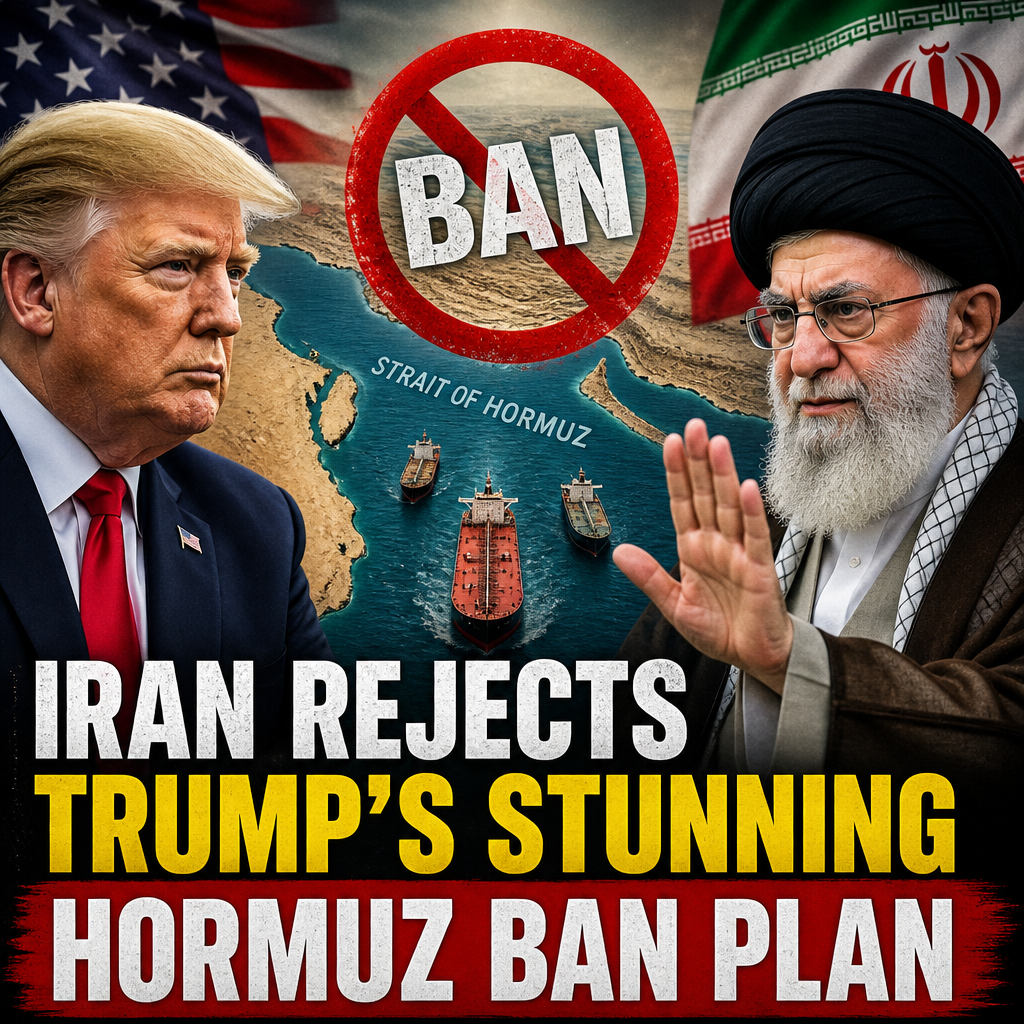
Iran rejects Trump’s stunning Hormuz ban plan, and the fallout is already rippling far beyond Tehran and Washington.
The latest clash centers on a familiar but dangerous flashpoint: the Strait of Hormuz, the narrow waterway through which a huge share of the world’s oil and liquefied natural gas passes. According to the reporting flowing through international news coverage, Iran has dismissed a proposal linked to Donald Trump involving frozen funds, while also warning ships about transit through Hormuz. The result is another round of hard rhetoric, uncertainty for global markets, and renewed questions about how much leverage either side really has.



Why the Strait of Hormuz matters so much
The Strait of Hormuz is one of the world’s most sensitive maritime chokepoints. Any disruption there can push up energy prices, raise insurance costs for shipping, and alarm governments that rely on Gulf exports. That is why even threatening language around the strait tends to draw immediate attention from traders and diplomats alike.
From Iran’s perspective, controlling the narrative around Hormuz has long been part of its strategic playbook. Tehran has repeatedly suggested it can pressure the international system by threatening traffic through the waterway, even when it stops short of taking drastic action. In this case, the warning appears designed to signal defiance and strengthen Iran’s bargaining position.




Western governments, however, usually interpret such language as a destabilizing threat rather than a negotiating tactic. News coverage from outlets like Sky News typically frames these developments through the lens of maritime security, commercial risk, and the possibility of escalation that could pull in the US and regional allies.
Iran Rejects Trump’s approach, but the dispute is bigger than one plan
At the center of the story is Trump’s reported push involving frozen Iranian funds. Iran’s rejection is not surprising: Tehran has consistently objected to outside attempts to link sanctions relief, asset access, or economic concessions to political pressure. From Iran’s viewpoint, such proposals are less a compromise than a demand to surrender leverage.
That said, the disagreement is not only about money. It reflects a deeper standoff over sanctions, regional influence, and who sets the terms of any future deal. Al Jazeera’s coverage tends to emphasize the diplomatic and regional dimensions of these confrontations, showing how each side uses public statements to shape perceptions before any formal talks can even begin.
There is also an important domestic angle inside Iran. Tough rhetoric toward the US and its allies can serve multiple audiences at once: hardliners, the security establishment, and the broader public. In moments like this, rejection of a Trump-linked proposal is not just foreign policy; it is also political theater aimed at demonstrating resolve.
What the reporting suggests across different outlets
Taken together, the available coverage points to a few broad conclusions:
– Iran is signaling that it will not accept pressure terms framed as ultimatums.
– The warning over Hormuz is meant to show that Tehran still has disruptive capacity, at least rhetorically.
– Western outlets are likely to focus on the risk to shipping and energy markets.
– Alternative geopolitical coverage, including RT-style framing, often highlights the conflict as evidence of US overreach and sanctions-driven confrontation rather than Iranian aggression alone.
This mix matters because it shows how the same event can be read in sharply different ways. To some observers, Iran is acting provocatively and risking a wider crisis. To others, it is reacting to years of sanctions and coercive diplomacy. The truth probably sits somewhere in between: Iran is responding to pressure, but it is doing so in a manner that increases uncertainty for everyone else.
The practical question: is this a threat or leverage?
That distinction is crucial. A direct closure of Hormuz would be extraordinarily risky for Iran itself, likely triggering a severe military and economic response. So when Iranian officials issue warnings, they are often using ambiguity as a tool. The goal is to create enough concern to influence negotiations without crossing a line that would invite overwhelming retaliation.
From a market standpoint, even that level of ambiguity is enough. Shipping firms, insurers, and energy buyers do not wait for a crisis to fully unfold before reacting. They price in risk as soon as the rhetoric sharpens. That means statements alone can have real-world effects.
A measured view: dangerous rhetoric, but not necessarily imminent closure
The most balanced reading is that this is a serious escalation in language, not definitive proof that Iran intends to shut down the strait. Tehran has used similar warnings before, and the gap between threat and action has often been wide. Still, dismissing the latest exchange would be unwise.
Three things are clear:
1. The political relationship between Iran and Trump-era US policy remains deeply adversarial.
2. The Strait of Hormuz remains one of the world’s most vulnerable strategic arteries.
3. Even without a military confrontation, heightened rhetoric can still damage confidence and raise costs globally.
For now, the best conclusion is cautious rather than dramatic. Iran’s rejection of Trump’s plan shows there is little appetite in Tehran for deals made under pressure. The Hormuz warning shows the same old geopolitical playbook is still in use. What remains uncertain is whether this is just another round of signaling or the start of a more serious confrontation with consequences for ships, energy prices, and regional stability.