Iran Condemns Ukraine’s Reckless Ship Attack: Stunning Fury


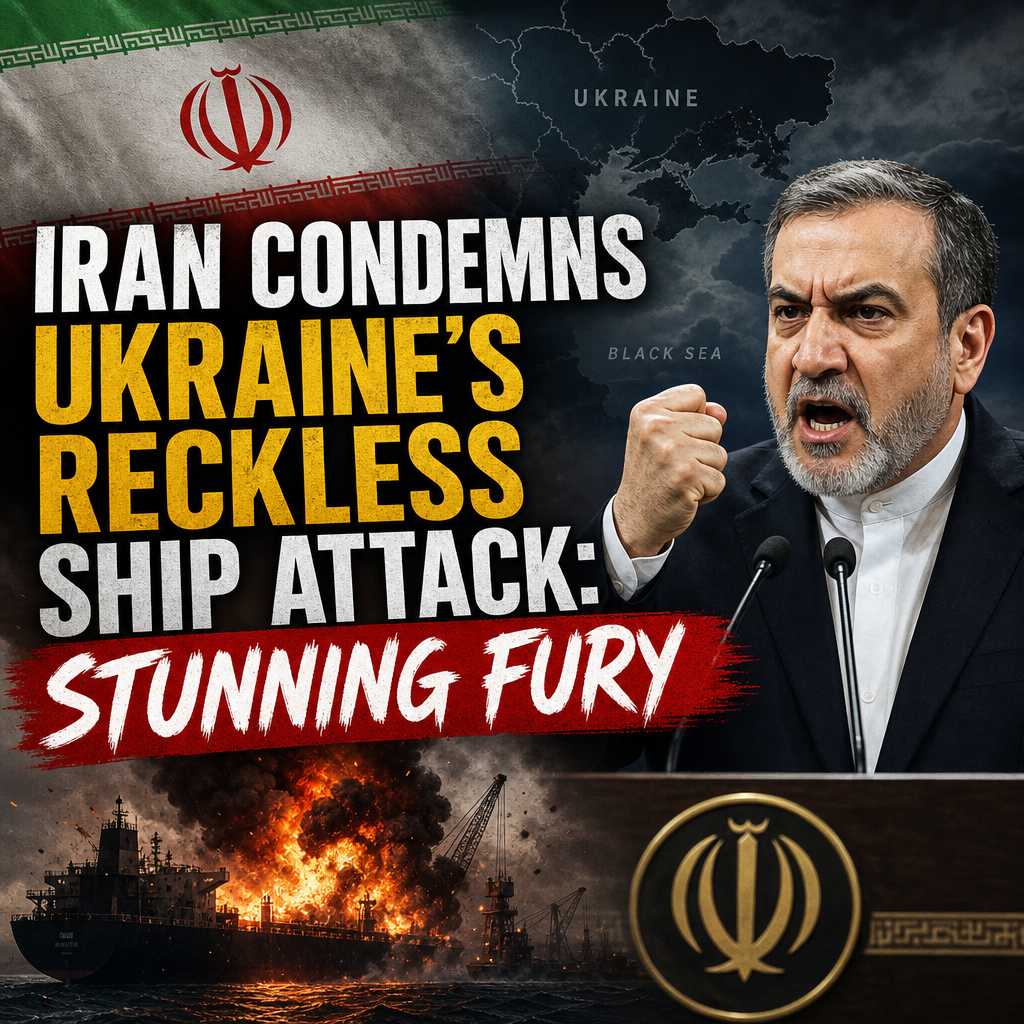
Iran’s condemnation of Ukraine’s alleged attack on a vessel tied to Iranian interests has added another sharp edge to an already volatile war, underscoring how the conflict between Moscow and Kyiv is increasingly spilling far beyond the battlefield. What makes the incident especially consequential is not only the claim of damage at sea, but the diplomatic signal it sends: the war is entangling countries that are not formally at war with each other, yet remain deeply affected by the fighting.
The reaction from Tehran was predictably forceful, portraying the attack as reckless and unjustified. Ukraine, for its part, has generally framed strikes on shipping or logistics assets as part of a broader campaign to weaken Russia’s war machine and its supply lines. That difference in perspective is central to understanding why this episode matters. One side sees a legitimate military target; the other sees a violation of sovereignty and an escalation that could destabilize maritime security.



Why the incident is drawing so much attention
Reports surrounding the attack matter because shipping incidents can quickly become geopolitical flashpoints. Even when the immediate damage is limited, attacks at sea raise fears about the safety of commercial routes, the reach of modern drone warfare, and the vulnerability of countries indirectly linked to the conflict.
From the Iranian point of view, the issue is straightforward: any strike on a vessel associated with Iran is treated as a hostile act that deserves condemnation. That position also fits with Tehran’s broader effort to present itself as a sovereign actor unfairly dragged into the war’s consequences.




Ukraine’s logic is different. Over the past two years, Kyiv has repeatedly argued that it must hit infrastructure supporting Russian military capacity wherever it can. When such operations involve ships, ports, or energy-related assets, Ukraine often emphasizes military necessity and self-defense. That argument may not persuade critics, but it helps explain why maritime targets have become part of the war’s wider strategy.
A number of broader themes emerge from the coverage across international outlets:
– Escalation risk: Strikes linked to shipping can trigger responses well beyond the initial attack.
– Proxy politics: Iran’s role in the Russia-Ukraine war has been contentious, especially amid accusations that Tehran has supplied drones or other support to Moscow.
– Civilian spillover: Even when the target is military or dual-use, maritime incidents can disrupt trade, insurance costs, and regional transport.
– Narrative war: Each side is using the incident to reinforce its own diplomatic message.
Iran condemns Ukraine’s reckless ship attack amid wider mistrust
Tehran’s anger should be understood in the context of its strained relations with Western governments and its growing strategic alignment with Russia. Iranian officials are likely to view the attack not as an isolated event, but as part of a pattern in which their country is being portrayed as complicit in the war. That perception matters because it feeds a cycle of suspicion: the more Iran is linked to Moscow’s military effort, the more likely Ukrainian decision-makers are to treat Iranian-linked assets as fair game.
Still, the available reporting suggests caution is needed before drawing sweeping conclusions. In conflicts like this, initial claims often arrive faster than verified facts. Questions can remain about ownership, cargo, operational control, and whether the vessel was indeed targeted because of direct Iranian involvement or simply because it was in the wrong place at the wrong time. That uncertainty does not erase the political fallout, but it does mean the incident should not be reduced to a single headline or one government’s statement.
What the different outlets are signaling
The range of coverage from sources such as RT, Al Jazeera, and Sky News points to a broader split in emphasis:
– RT-style framing tends to stress the illegality or recklessness of attacks affecting Russian or Iranian interests, with stronger focus on condemnation and escalation.
– Al Jazeera’s broader regional lens often places such incidents within the wider Middle East and global security context, highlighting ripple effects and diplomatic complexity.
– Sky News and other Western outlets typically focus on verification, military strategy, and the practical consequences for shipping and security.
Taken together, those perspectives suggest there is no simple reading of the event. There is genuine anger in Tehran, a strategic rationale in Kyiv, and a wider international concern about how maritime warfare is becoming normalized.
The bigger picture: maritime conflict is becoming harder to contain
What this episode ultimately reveals is that the war is no longer confined to trenches, missiles, and occupied territory. It now includes shipping routes, international waters, logistics chains, and the political symbolism attached to them. That creates a dangerous environment because maritime incidents are notoriously hard to manage once they occur. A single strike can be interpreted as sabotage, retaliation, or provocation depending on who is speaking.
The most responsible conclusion is that both the attack itself and the response to it reflect a conflict growing more diffuse and more dangerous. Ukraine is under enormous pressure to disrupt Russia’s military capabilities. Iran, meanwhile, is determined to reject any suggestion that it should absorb the consequences of a war it says it is not party to. Those positions are not easily reconciled.
In the end, the incident is less a standalone event than a warning sign. If attacks linked to shipping continue, the war could pull in more states, more maritime routes, and more unstable assumptions about what counts as a legitimate target. For now, the facts will need close scrutiny, but the political message is already clear: this conflict is still widening, and the risks are growing with it.